Fochville’s Kokosi families forced to use sewage water for over a month as Rand Water cuts 40 percent supply over R1.4 billion debt
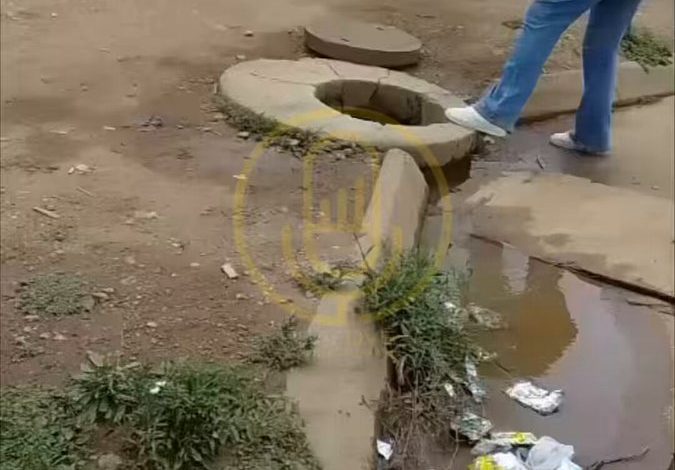
Residents in Kokosi Extension 99, Fochville, are facing an extreme water crisis, resorting to collecting water from leaking sewage pipes due to severe supply cuts. This dire situation stems from the Merafong Local Municipality’s significant debt of R1.4 billion to Rand Water, which has led to a 40 percent reduction in water supply since September. High-lying areas like Kokosi have been particularly affected, with some households going over a month without running water, forcing families to use contaminated sewage water for basic needs, leading to health issues and widespread distress.
Key details of the water crisis
- Location: Kokosi Extension 99, Fochville.
- Problem: Residents are collecting water from leaking sewage pipelines due to a lack of reliable municipal water supply.
- Cause: Merafong Local Municipality owes R1.4 billion to Rand Water.
- Impact of Debt: Rand Water reduced water supply by 40 percent in September.
- Affected Areas: High-lying areas like Kokosi are the most severely impacted.
- Duration of Supply Issues: Some homes have been without water for over a month.
- Health Consequences: Residents are reporting skin rashes and stomach problems from using contaminated water.
- Municipal Response: Officials claim they collect only a fraction of owed rates and blame mining companies and households for non-payment. They state that monthly collections are insufficient to cover the debt owed to Rand Water.
- Community Action: Protests occurred in September, with residents blocking roads to demand action. Community leaders have called for the municipality to be placed under administration.
- Mayor’s Promise: The mayor pledged more water tankers, but deliveries are inconsistent.
- Broader Context: The situation in Kokosi highlights wider issues in the West Rand concerning aging infrastructure and unpaid bills affecting water access.
- Date of Report: November 11, 2025.
A detailed summary of the story
In the community of Kokosi Extension 99, near Fochville, a shocking reality has unfolded as residents are forced to draw water from leaking sewage pipes to meet their daily needs. This desperate measure is a direct consequence of months of unreliable municipal water supply, which has been drastically reduced by 40 percent since September. The root cause of this crisis is the Merafong Local Municipality’s massive debt of R1.4 billion owed to Rand Water. The water utility’s decision to cut supply has hit high-lying areas like Kokosi the hardest, leaving taps dry for extended periods. Families are now resorting to scooping murky, sewage-contaminated water from drains for cooking, cleaning, and flushing toilets. Municipal officials have pointed fingers at both mining companies and individual households for non-payment of rates, stating that the municipality collects only a small portion of what is owed, and the monthly revenue is insufficient to cover the growing debt to Rand Water. The health implications are severe, with residents experiencing skin rashes and stomach ailments due to the consumption and use of this unsafe water. The situation is made worse by burst pipes that flood the streets with waste. This crisis has sparked significant community unrest, leading to protests in September where residents blocked roads demanding intervention. Community leaders have even called for the municipality to be placed under administration. While the mayor has promised an increase in water tanker deliveries, these have been inconsistent and have not adequately resolved the problem. The water crisis in Kokosi is a stark illustration of the broader challenges faced in the West Rand region, where decaying infrastructure and persistent unpaid bills are severely compromising access to clean water for residents. For many in Kokosi, the contaminated sewage pipeline has become their only, albeit dangerous, source of water.
Frequently Asked Questions
- Q1: Why are residents in Kokosi drinking from sewage pipes?
A1: Residents are resorting to this extreme measure because the Merafong Local Municipality owes R1.4 billion to Rand Water, leading to a 40 percent reduction in water supply. Many homes have had no running water for over a month. - Q2: What is the total debt owed by the municipality?
A2: The Merafong Local Municipality owes Rand Water a total of R1.4 billion. - Q3: What are the health risks associated with using water from sewage pipes?
A3: Residents have reported experiencing skin rashes and stomach problems due to the contaminated water. - Q4: What reasons has the municipality given for the debt and water shortage?
A4: Municipal officials state that they collect only a small fraction of owed rates and blame both mining companies and households for non-payment. They also note that their monthly collections are not enough to settle the debt with Rand Water. - Q5: Have there been any protests or community actions regarding this issue?
A5: Yes, protests occurred in September, with residents blocking roads to demand action. Some community leaders have called for the municipality to be placed under administration. - Q6: What is being done to address the water shortage?
A6: The mayor has promised more water tankers, but their deliveries have been inconsistent. The situation highlights broader infrastructure and payment issues in the West Rand. You can find more related stories at cityofthohoyandou.co.za/category/news/. - Q7: Where can I find more information about this specific event?
A7: You can view the original report and details of this event on X (formerly Twitter) at PSAFLIVE’s post.